EU Internal Combustion Engine Sales Drop Nearly a Third in Two Years
EU new car registrations fell 3.9% in January 2026, with internal combustion engine vehicles' share dropping to 30.1% from 48.7% two years prior—a nearly one-third decli…
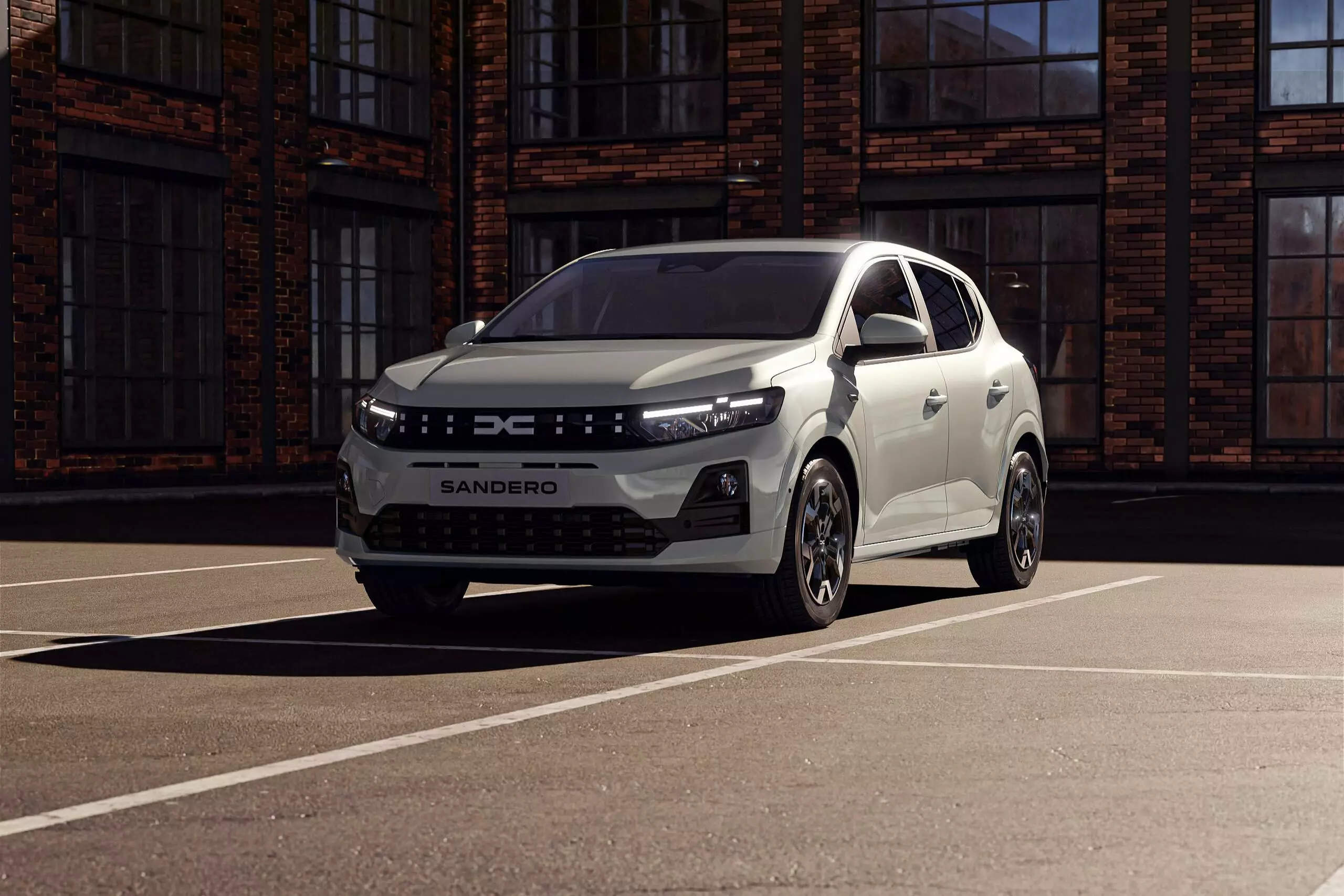
In January 2026, the European Union saw a 3.9% decline in new car registrations, extending the ongoing downturn for internal combustion engine (ICE) vehicles. Petrol and diesel models together captured just 30.1% of the market, down sharply from 39.5% in January 2025 and 48.7% in January 2024—a drop of nearly 19 percentage points over two years. For the full year of 2025, their combined share fell to 35.5% from 45.2% in 2024, with petrol slipping from 33.3% to 26.6% and diesel from 11.9% to 8.9%.
Battery electric vehicles drove the strongest growth, registering 154,230 units for a 19.3% share, up from 14.9% a year earlier. Plug-in hybrids rose to 78,741 units and a 9.8% share, while hybrids led overall with 308,364 units and 38.6%. Petrol registrations plunged 28.2% to 175,989 units (22% share), including steep drops in France (48.9%), Germany (29.9%), Italy (25.5%), and Spain (22.5%). Every major EU market posted double-digit declines in petrol sales. Diesel demand also softened, falling 22.3% to an 8.1% share.
Country-specific patterns for 2025 revealed even more pronounced shifts, with France experiencing the sharpest petrol decline at 32%, followed by Germany at 21.6%, Italy at 18.2%, and Spain at 16%. Plug-in hybrid registrations surged in several countries, including a 134.2% increase in Italy, 66.7% in Spain, and 23% in Germany—though Belgium saw an 11.5% dip and the Netherlands a 35.4% fall.
When including EFTA countries and the UK, total European registrations decreased 3.5% to 961,382 vehicles. Norway suffered the steepest contraction, down about 76% year-over-year, as reduced EV incentives took effect from January 1, 2026. The VAT exemption on EVs dropped from NOK 500,000 to NOK 300,000, with more cuts planned, while taxes on combustion vehicles rose by NOK 20,000–30,000. This led to a rush of demand in December 2025, with over 35,000 registrations—more than double a typical month. Even amid the slump, electrics accounted for 94% of Norway's January sales, with just 98 diesel and 7 petrol vehicles registered.
Manufacturer results showed significant variation. Chinese brand BYD grew aggressively, boosting registrations 165% year-over-year across the EU, UK, and EFTA. Tesla extended its downturn, falling 17% for a thirteenth consecutive month. Among legacy automakers, Volkswagen dropped 3.8%, BMW 5.7%, Renault 15%, and Toyota 13.4%, while Stellantis rose 6.7% and Mercedes-Benz 2.8%.