Maserati Takes a Breath as Its Path Forward Emerges
Maserati faces a sales decline from 51,000 units in 2017 to under 8,000 in 2025, caused by discontinuing models like the Ghibli, Levante, and Quattroporte, plus weak EV…
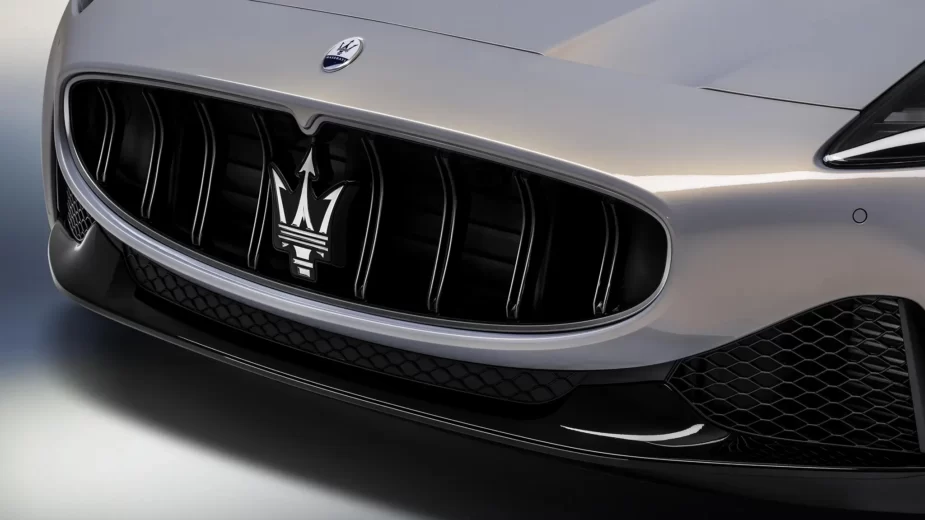
Maserati is navigating one of the toughest periods in its modern history. With few new models on the immediate horizon, subtle strategic shifts offer faint signs of a possible turnaround. While some brands build legends on decades of consistent reliability, Maserati has always drawn its mystique from years of unpredictability—and yet it endures, still enchanting its fans. Recent challenges, however, have tested that resilience like never before. After hitting a high of 51,000 units sold in 2017, the company plummeted to under 8,000 in 2025—the lowest since 2012. For perspective, Ferrari, which deliberately limits production, sold nearly twice as many. Several factors drove this slump, including the discontinuation of the Ghibli, Levante, and Quattroporte without ready successors, and a pivot to electric options like the Folgore series that failed to capture the market as hoped.
Leadership Shifts and Strategic Repositioning
Just before leaving as Stellantis CEO, Carlos Tavares attributed much of the trouble to marketing missteps: the brand's messaging wasn't hitting the mark or reaching the intended buyers. In late 2024, Santo Ficili took over as CEO, overseeing both Maserati and Alfa Romeo, with a mandate to revive the trident badge. The arrival of new Stellantis leadership in June 2025, led by Antonio Filosa, led to pauses in ongoing projects. Rumors of a potential sale circulated, but Stellantis dismissed them outright, emphasizing Maserati as its only luxury brand and one it has no intention of selling. The current strategy focuses on doing less but doing it better. The Fuoriserie bespoke customization program now plays a starring role. Production of the GranTurismo and GranCabrio has been centralized in Modena, alongside the MC20, to craft a narrative of artisanal excellence tied to the brand's roots. It's no panacea, but it's a step forward. All eyes are on May, when Antonio Filosa will reveal Stellantis's revised industrial plan, which may at last chart a sustainable path for this iconic Italian endeavor.
Imminent Updates for Flagship Models
In the near term, no all-new Maserati models are slated for this year. The biggest developments are mid-cycle refreshes for the GranTurismo and GranCabrio, following the pattern of recent updates to the MC20 lineup. Prototypes recently spotted suggest focused but evident revisions: a reworked front grille with bigger, more angular air intakes inspired by the MC20, an updated rear diffuser on the GranCabrio, and brighter taillights on certain examples. The 3.0-liter twin-turbo V6 Nettuno engine will continue, though its outputs—currently 490 hp and 550 hp—could rise, building on the 630 hp in the MC20. The electric Folgore versions might get more meaningful improvements, likely in efficiency and range over outright power. Interior changes, such as enhanced infotainment, are also in the works. An unveiling is expected before summer, with deliveries starting in late 2026. The bigger picture stays unclear, especially for successors to the Levante SUV and Quattroporte sedan—key voids in the portfolio. Initially planned earlier, their debuts have been pushed to 2028 and 2029, respectively, with little evidence of progress.