Smart Returns to Origins with New Compact City Car
Smart, hit by a 50% sales drop to 13,100 units in Europe in 2025 after emphasizing larger electric SUVs, is shifting back to compact roots with the two-seater #2 city ca…
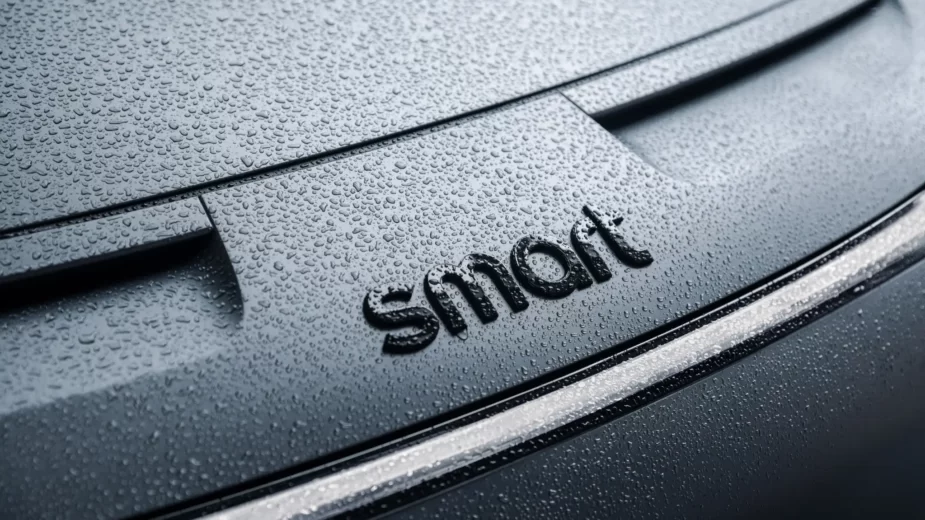
The Smart brand of today bears little resemblance to the one that once revolutionized urban mobility with its two-seater city car. In recent years, it has repositioned itself as a producer of increasingly larger electric SUVs, drifting far from the compact ethos that made it famous. However, this shift has not gone as planned. In 2025, Smart sold just 13,100 units in Europe—a nearly 50% drop from the previous year. In a fiercely competitive market strained by tariffs on Chinese-produced electric vehicles and slower-than-expected EV adoption, change became inevitable.
2026 marks a pivotal year for the brand, which remains fully electric in Europe—for now, as it has already introduced a plug-in hybrid in China—but is clearly returning to its roots. The Smart #2 revives the fortwo formula: a two-seater designed for city life, aiming to restore the brand's identity, visibility, and above all, relevance in one of the world's toughest markets. After focusing on SUVs like the #1, #3, and the recent #5, Smart is once again betting on a vehicle built from the ground up for urban environments, compact in size and philosophy. The #2 is more than a new model; it's an effort to reclaim the identity lost since the fortwo's discontinuation in 2024.
The reveal is imminent, set for April at the Beijing Auto Show (April 24 to May 3). Though details are scarce, the confirmed highlight is a new platform called the Electric Compact Architecture (ECA), tailored to maintain the ultra-compact proportions of the original fortwo. The silhouette will be instantly recognizable, with promises of a completely redesigned interior and exterior, plus a fully refreshed identity. No further specs are available yet. This will be the real test of Smart's new strategic direction.
The pivot aligns with fresh leadership: Wolfgang Ufe took over as head of Smart Europe on March 1, with a clear mandate to regain sales volume and market standing. Beyond the sales slump, Smart grapples with structural hurdles, including European tariffs on Chinese-made EVs—where all its models are produced—adding an 18.8% duty on top of the standard 10%, a significant burden for an all-electric lineup. Still, Smart stays the course, committed to 100% electric offerings in Europe. The shift emphasizes specialization in urban mobility over model size, marking a return to basics to propel the brand ahead.