Tesla Surpasses Ford in UK First-Quarter Electric Vehicle Registrations
Tesla has overtaken Ford as the UK's top EV seller in Q1, with 8,877 registrations through mid-March versus Ford's 6,858. A strong March performance of 3,576 units rever…
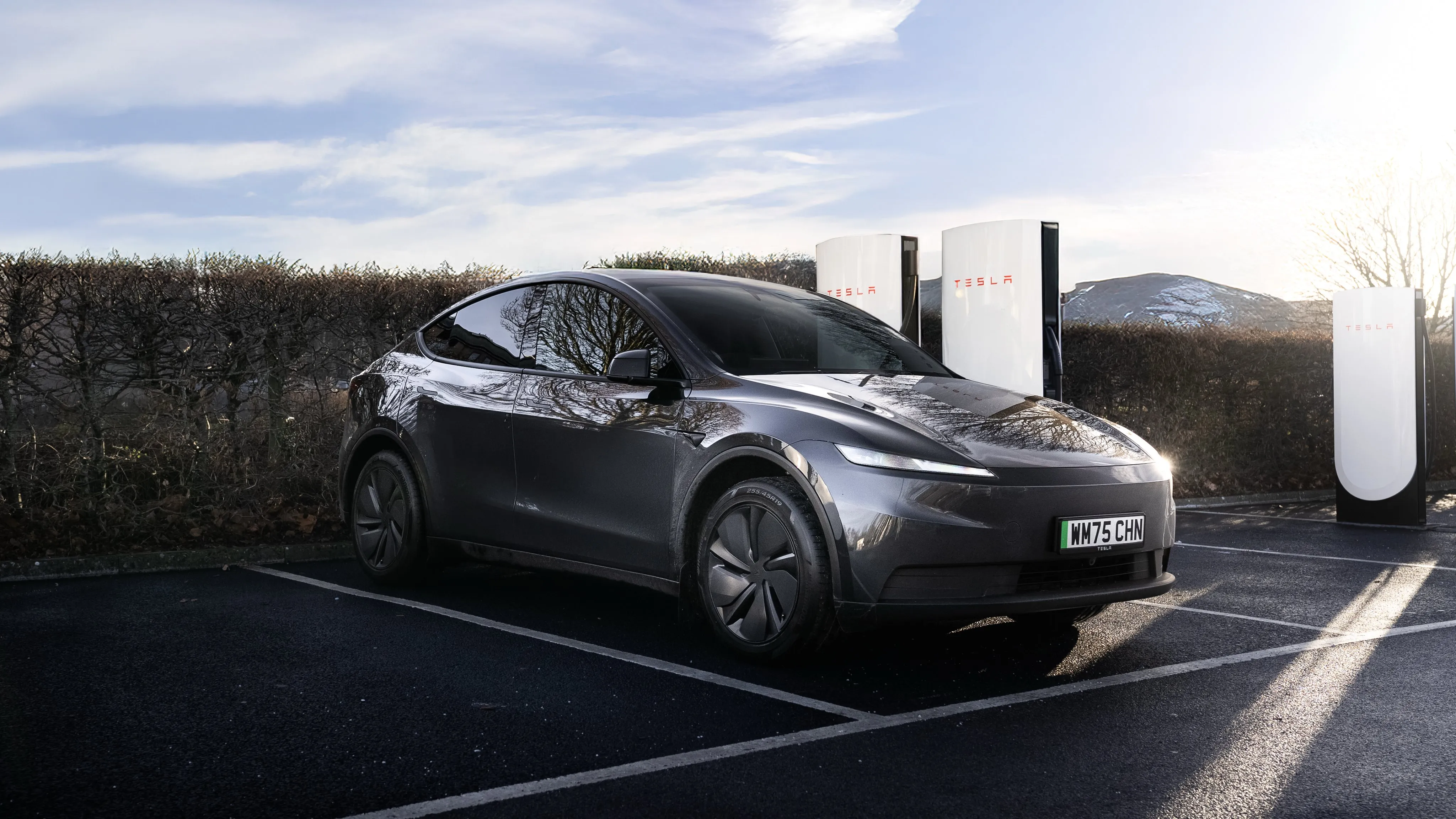
Tesla appears poised to lead electric vehicle registrations in the United Kingdom for the first quarter, reversing Ford's early dominance in the segment. Data from EU-EVs and social media analyst 'piloly' show that Tesla recorded 3,576 registrations in the UK from March 1 to 17. Combined with the 5,310 units from January and February reported by the Society of Motor Manufacturers and Traders, Tesla's provisional quarterly total reaches 8,877 vehicles. In contrast, Ford tallied 4,692 battery electric vehicle registrations in the first two months and added 2,166 more in early March, bringing its total to 6,858—trailing Tesla by more than 2,000 units.
Tesla's Recent Sales Fluctuations
Tesla's UK performance has shown volatility this year. In January 2026, registrations fell 50.8% from the previous year's 1,458 to just 718 units. February saw a sharp sequential increase to 3,140, though still 40.9% below last year's figures, marking the fifth straight month of year-over-year drops. For the full year of 2025, Tesla delivered 45,513 vehicles in the UK, a 9.6% decrease from over 50,000 the year before. September stood out with 7,993 units, but sales plummeted to 511 in October—the year's lowest, just one shy of April's trough. Such patterns align with industry norms, where April, July, and October often lag due to shipment and delivery schedules from facilities like Giga Berlin and Giga Shanghai.
Broader UK EV Landscape and Regulations
These trends persist even as the UK EV sector expands. In February, battery electric vehicles comprised 24.2% of new car sales, up 2.8% from the prior year, with nearly one in four purchases being fully electric. Plug-in hybrids surged 43.5% to claim 11.6% market share. The government aims for all new vehicles to be zero-emission or plug-in hybrids by 2030, phasing out petrol and diesel sales entirely. To support this, incentives are evolving: from April 2025, EVs face Vehicle Excise Duty starting at £10 in the first year, rising to £195 thereafter. By April 2028, a pay-per-mile road charge will apply to EVs, mirroring fees for traditional engines to ensure equity among drivers.